 indika.creator@gmail.com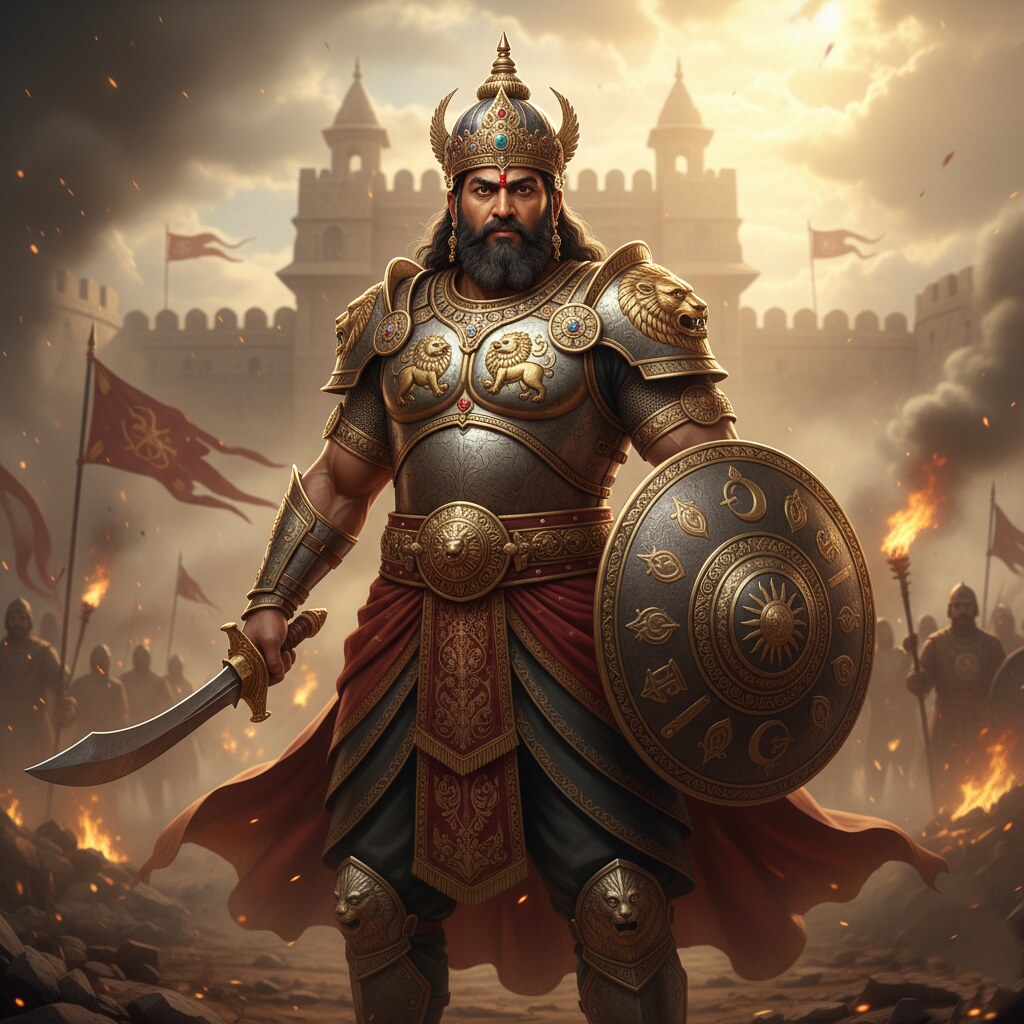
Introduction: A New Era of Filmmaking Has Started
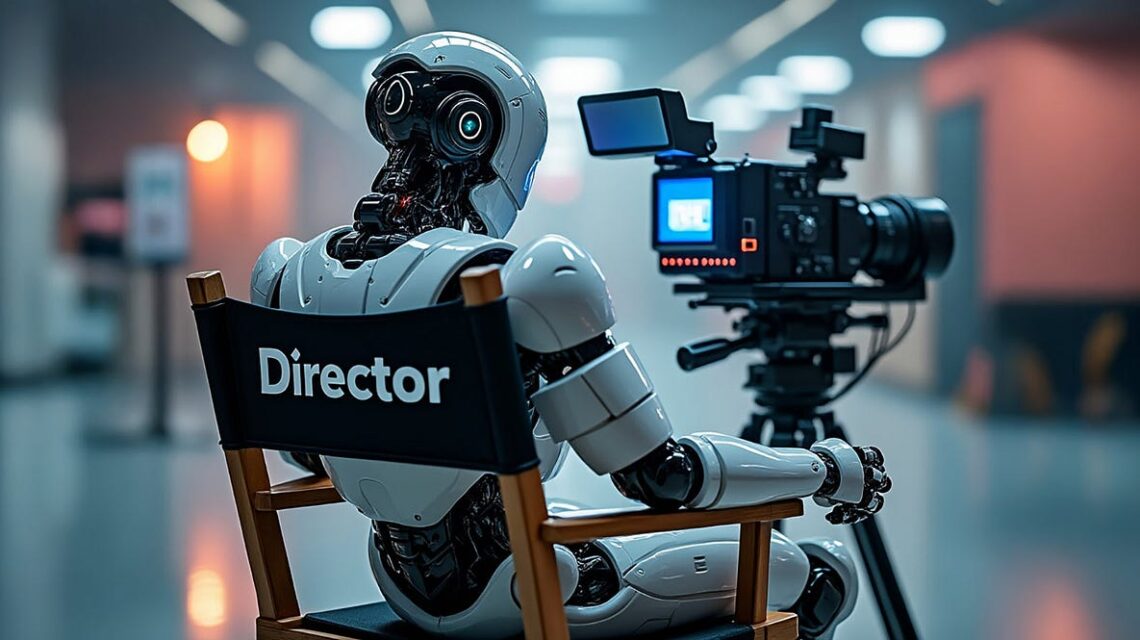
Cinema has always been shaped by technology. The camera changed theatre. Sound changed silent films. Colour changed visual storytelling. Digital editing changed post-production. Now, Generative AI is becoming the next major revolution in movie making.
Generative AI is no longer only a tool for creating images or writing short text. It is now entering the full filmmaking process: idea development, scriptwriting, storyboarding, concept art, pre-visualization, VFX, editing, dubbing, sound design, marketing, and even audience analysis.
For filmmakers, producers, creative directors, video production companies, and independent storytellers, this is a powerful moment. The people who understand how to combine human creativity with AI technology will have a major advantage in the future film industry.
Recent industry discussions show that many filmmakers are moving from fear toward cautious acceptance of AI because it can reduce time, cost, and production complexity, especially in VFX, post-production, localization, and creative development.
What Is Generative AI in Movie Making?
Generative AI refers to artificial intelligence systems that can create new content from human instructions. In filmmaking, this can include:
Text-to-video generation
AI can create short video clips from written prompts.
Image-to-video generation
A still image, concept art, or character design can be animated into cinematic motion.
AI story development
Writers and directors can use AI to explore story worlds, character arcs, dialogue, scene structures, and alternative endings.
AI concept art and mood boards
A director can quickly visualize costumes, locations, lighting styles, props, character looks, and cinematic atmospheres.
AI editing and post-production
AI can assist with rough cuts, colour grading ideas, video enhancement, object removal, background extension, dubbing, subtitles, and visual effects.
AI marketing content
Trailers, posters, social media clips, campaign ideas, audience targeting angles, and promotional copy can be developed faster.
This does not mean AI replaces the director, writer, actor, cinematographer, editor, or designer. The best use of AI is as a creative accelerator—a tool that helps the human creator move faster, test more ideas, and produce stronger results.
Why Generative AI Matters for Filmmakers
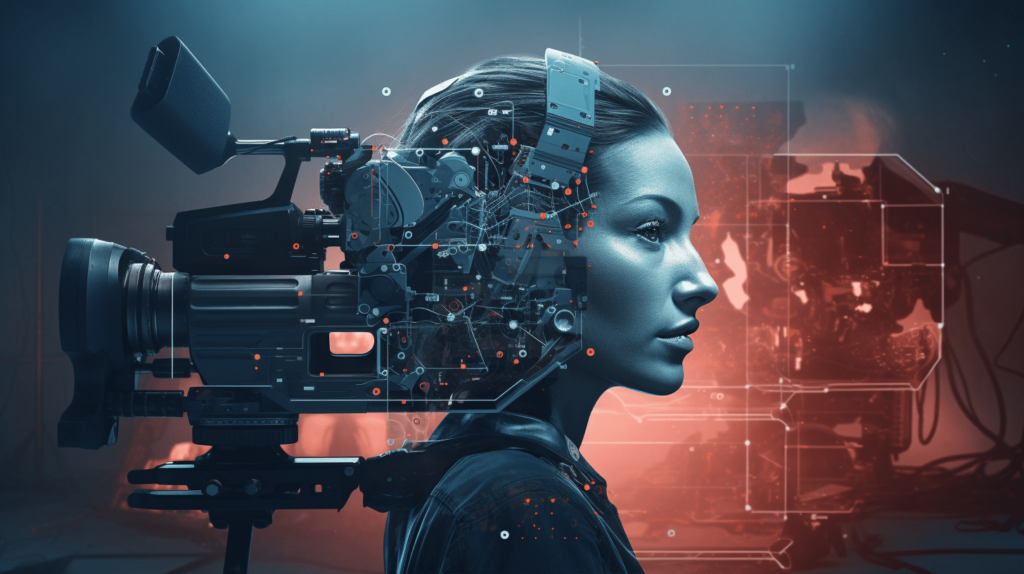
Traditional filmmaking can be expensive and time-consuming. A director may need a full team to create concept visuals, test a scene idea, prepare pitch material, or design a teaser. With Generative AI, many of these early-stage tasks can now be done faster and at a lower cost.
This is especially valuable for independent filmmakers, young production houses, small studios, and creators in countries like Sri Lanka, India, and other emerging film markets. A filmmaker can now create professional-looking pitch decks, cinematic concept trailers, character mood boards, and visual presentations before approaching investors or producers.
Tools such as Runway and Sora show how fast AI video generation is developing. Runway describes its newer video models as offering strong cinematic visual fidelity and creative control, while OpenAI’s Sora has demonstrated text-to-video generation with strong prompt adherence and visual quality.
For a modern filmmaker, this means one important thing: imagination can now be visualized faster than ever before.
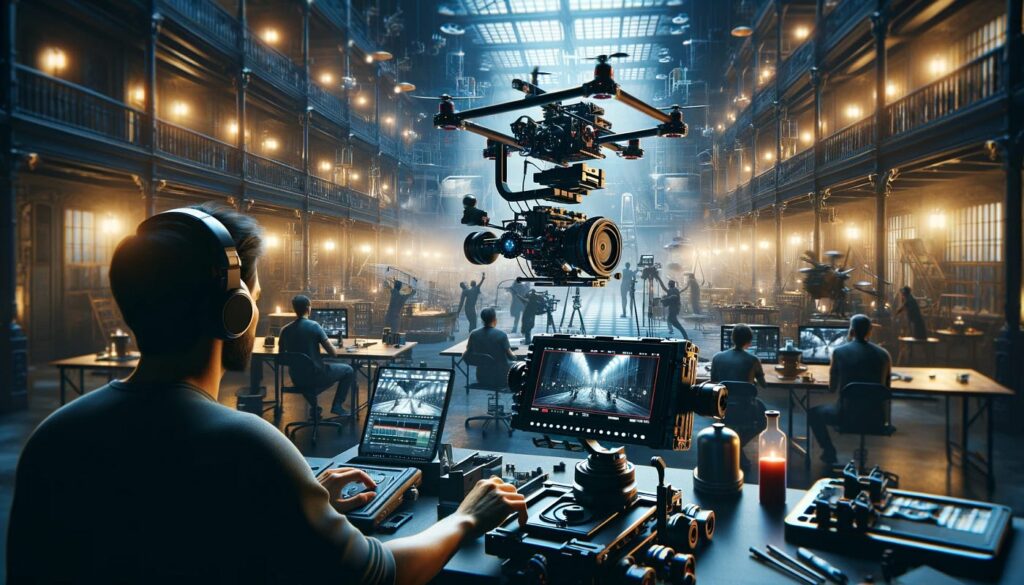
How Gen AI Can Be Used in the Movie Production Pipeline
1. Idea Development and Story Research
Every movie begins with an idea. Generative AI can help filmmakers explore themes, conflicts, character psychology, genre structures, and market positioning.
For example, a crime thriller director can use AI to test different story angles:
“Create a psychological crime thriller set in modern Colombo with themes of betrayal, political power, hidden identity, and moral revenge.”
From that single idea, AI can suggest character types, plot twists, scene possibilities, and visual tone. The director still makes the creative decisions, but AI helps speed up the brainstorming process.
2. Scriptwriting Support
AI can help with loglines, synopses, scene outlines, dialogue drafts, episode structures, and script polishing. It can also help identify weak areas in a screenplay, such as slow pacing, unclear character motivation, or repetitive scenes.
However, the final script must come from human emotion, lived experience, cultural understanding, and artistic judgment. AI can generate structure, but a filmmaker must bring soul.
3. Storyboarding and Pre-Visualization
Before shooting, a director needs to see the movie in the mind. Traditionally, storyboards and pre-visualization require artists, designers, or animators. With AI, filmmakers can quickly create visual references for camera angles, lighting, blocking, costumes, set design, and atmosphere.
This is especially useful for:
action scenes
horror scenes
fantasy sequences
historical dramas
music videos
commercials
pitch trailers
investor presentations
A filmmaker can now present a complete visual language before the first day of shooting.
4. Character and Costume Design
Generative AI can create multiple character looks in different costumes, moods, ages, and cinematic styles. This helps directors and art departments test visual identity before final production.
For example, a historical film can explore royal costumes, village costumes, warrior looks, palace interiors, and battlefield atmospheres. A modern thriller can test detective looks, villain styling, colour themes, and urban night visuals.
This allows the director to create a stronger visual world before spending money on real costumes, sets, or locations.
5. Location and Production Design
AI can help imagine locations that do not yet exist. A filmmaker can generate references for:
futuristic cities
ancient kingdoms
luxury interiors
abandoned houses
jungle hideouts
temples and spiritual places
cinematic street scenes
fantasy worlds
This is powerful for art directors, production designers, and cinematographers because it gives a clear visual direction.
6. VFX and Post-Production
One of the biggest impacts of AI will be in post-production. AI can assist with rotoscoping, cleanup, upscaling, background replacement, object removal, visual effects, dubbing, and localization.
According to McKinsey, AI is already being used in areas such as dubbing, localization, video library filtering, and post-production acceleration.
This matters because VFX-heavy films often require large budgets. AI can help smaller production teams achieve more polished visuals with fewer resources.
7. AI Voice, Dubbing, and Localization
For global distribution, localization is essential. A Sri Lankan film, for example, may need Sinhala, Tamil, English, Hindi, and other language versions. AI-powered dubbing and subtitle tools can help producers prepare content for international audiences faster.
This opens new opportunities for regional cinema. A local film can become more accessible to foreign viewers, streaming platforms, and international festivals.
8. Film Marketing and Promotion
Generative AI is also transforming movie marketing. It can help create:
poster concepts
teaser trailer ideas
social media captions
YouTube titles and descriptions
press releases
investor pitch decks
character introduction posts
behind-the-scenes content
audience-targeted ad copy
A film is not only a creative product. It is also a brand. AI helps filmmakers build that brand from the early development stage.
The Human Director Is Still the Most Important Creative Force
There is a major misunderstanding about AI in cinema. Some people think AI will make the filmmaker unnecessary. That is not true.
AI can generate images, videos, and text, but it does not understand human pain, culture, memory, spirituality, social tension, love, betrayal, political pressure, family emotion, or national identity the way a human artist does.
A great director does more than create visuals. A director understands performance, rhythm, silence, emotion, symbolism, audience psychology, and cinematic truth.
Some filmmakers remain deeply concerned that AI may weaken the human creative process. At the 2026 Cannes Film Festival, director Koji Fukada criticized AI’s role in art, arguing that creativity should come from human expression and lived experience.
This concern is valid. The best future is not “AI replacing cinema.” The best future is AI supporting human cinema.
Ethical and Legal Challenges
Generative AI also brings serious responsibilities. Filmmakers must think carefully about copyright, actor rights, voice cloning, deepfakes, training data, cultural sensitivity, and creative ownership.
Legal researchers have warned that using third-party AI models may create copyright risks, especially if outputs imitate protected works or reproduce elements from training data.
Responsible filmmakers should follow these principles:
Use AI as a tool, not as a replacement for human talent.
Get permission before using an actor’s face, voice, or likeness.
Avoid copying another artist’s exact style or copyrighted characters.
Use AI-generated content transparently when required.
Protect writers, actors, designers, musicians, and creative teams.
Keep the final creative direction human-led.
The future film industry will reward not only technical skill, but also ethical leadership.
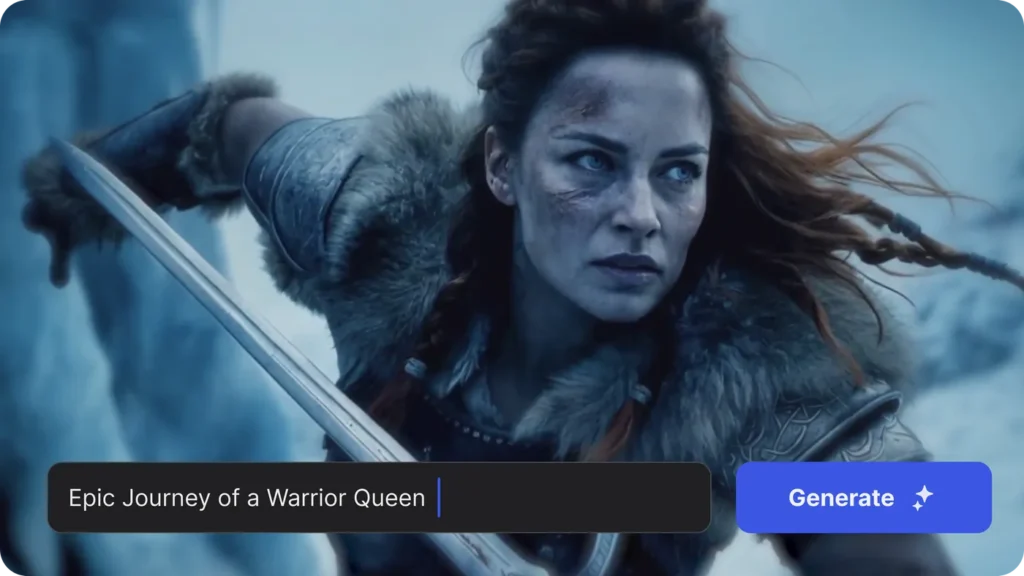
How Filmmakers Can Start Using Gen AI Today
A filmmaker does not need to wait for a big studio to start using AI. The best way is to begin with small, practical workflows.
Start with concept development. Use AI to expand story ideas, loglines, and character profiles.
Then create visual references. Generate mood boards for locations, costumes, lighting, colour palettes, and key scenes.
Next, build a pitch package. Use AI-generated concept visuals, a strong synopsis, a director’s vision statement, and a teaser-style presentation.
After that, test short cinematic clips. Use AI video tools to create atmosphere shots, dream sequences, visual experiments, or promotional teasers.
Finally, use AI for marketing. Prepare social media content, trailers, posters, campaign ideas, and audience-specific promotional strategies.
This approach allows filmmakers to enter production with more clarity, confidence, and market value.
The Future: AI-Native Cinema and Hybrid Production
The future of movie making will likely become hybrid. Some films will remain fully traditional. Some will use AI only in post-production. Some will use AI for pre-visualization and marketing. Others will become AI-native productions, where AI is part of the full creative pipeline from idea to release.
Streaming platforms and major studios are already exploring AI-driven production and animation workflows. Reports indicate that Netflix has been developing internal AI animation initiatives, showing how major entertainment companies are studying Gen AI for future content pipelines.
This does not mean every film should be AI-generated. But it does mean every serious filmmaker should understand how AI is changing production economics, visual development, and audience engagement.
The filmmakers who ignore AI may fall behind. The filmmakers who use AI without taste may create empty content. But the filmmakers who combine AI with powerful human storytelling can create a new kind of cinema.
Conclusion: The Future Belongs to Human Creativity Powered by AI
Generative AI is not the end of cinema. It is the beginning of a new creative era.
The camera gave filmmakers the ability to capture reality. Editing gave them the power to shape time. Visual effects gave them the power to create impossible worlds. Now Generative AI gives filmmakers the power to visualize imagination faster than ever before.
But technology alone cannot create a great film. A great film still needs emotion, conflict, rhythm, performance, culture, truth, and vision.
The future of movie making will belong to creators who understand both sides: the soul of cinema and the power of technology.
For directors, producers, writers, video creators, and creative entrepreneurs, this is the right time to learn, experiment, and build new cinematic workflows.
Generative AI will not replace great filmmakers.
But great filmmakers who master Generative AI will lead the next generation of cinema.

 The Future of Movie Making: How Generative AI Is Transforming Cinema
  Generative AI and Creativity: The New Partnership Between Human Imagination and Intelligent Technology
  The Influence of Gen Z on Marketing and Consumer Trends
  Experience-Driven Marketing: Redefining the Customer Journey
  Managing Creator Partnerships: Strategies for Sustainable Collaboration
  Haptic Marketing Communication: Touching the Future of Brand Engagement